
Lawn guides
When does grass go dormant in San Antonio?
Written by Backyard Boys Lawn Co., San Antonio · Updated October 22, 2026
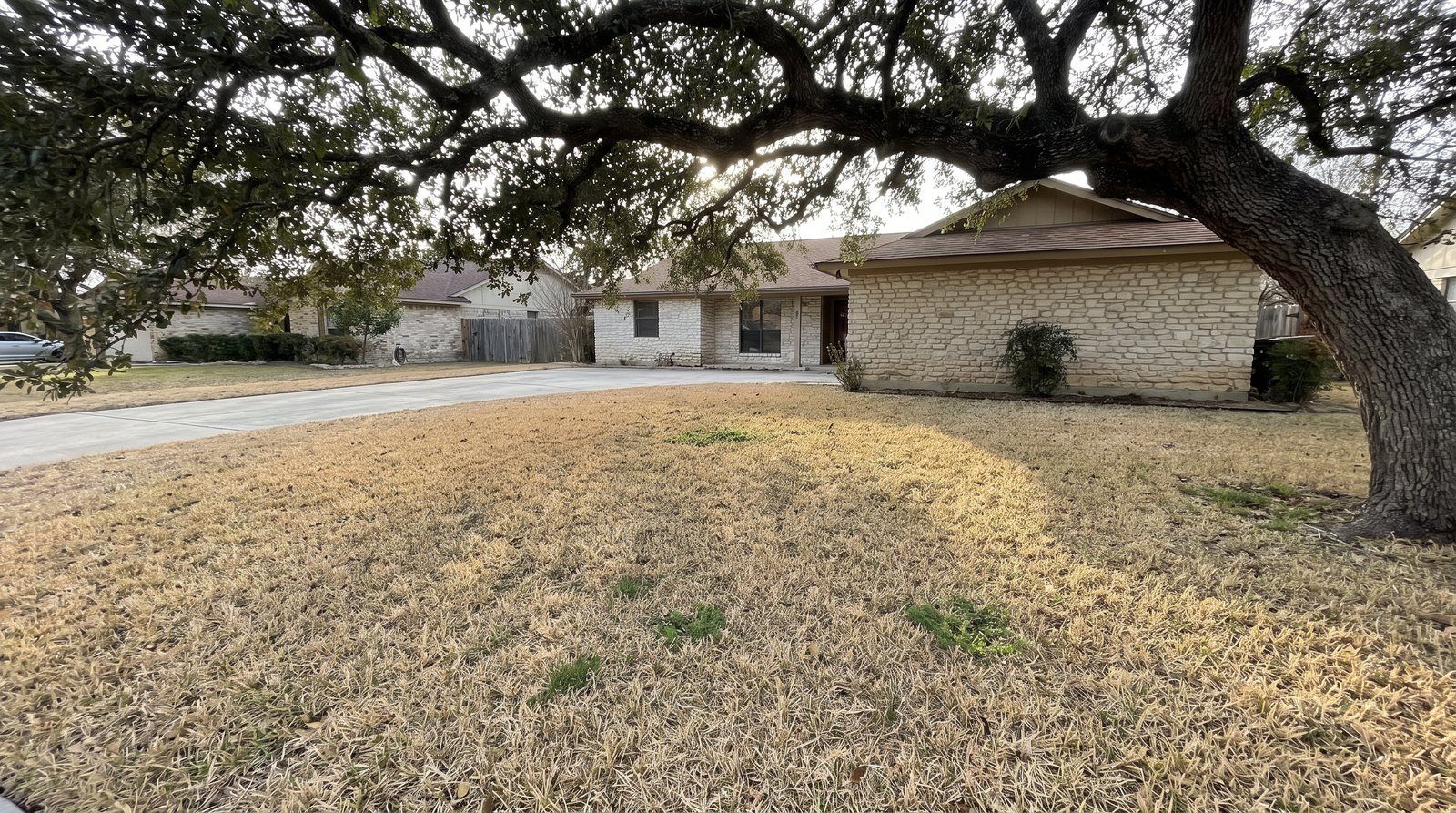
Warm-season lawns in San Antonio usually go dormant in late November or December, once the first frosts come, and stay brown until the soil warms up in spring. St. Augustine goes dormant after several hard frosts, and at the San Antonio airport the first freeze comes by Nov. 28 in half of years. You can still mow in winter, but only when something is actually growing.
Why does grass go dormant?
St. Augustine, Bermuda and zoysia are warm-season grasses. St. Augustine grows best between 80 and 95 degrees and turns brown during winter dormancy. As the days get shorter and colder, the grass slows its growth to save energy for spring. SAWS puts a number on it: as long as the soil is below 70 degrees, the grass won’t push out green shoots.
Dormant is not dead. SAWS says the roots and crowns stay alive under the brown blades, and the lawn starts growing again when the weather warms.
When does it happen here?
It depends on the frosts, and San Antonio doesn’t get many. The airport averages about 14 nights a year at or below freezing. The first freeze comes by Nov. 28 in half of years, and the first night at 28 degrees or colder by Dec. 13 in half of years (NOAA).
Until those frosts come, the grass can keep some green. Your grass type matters too. The Bexar County AgriLife office lists Raleigh as the most cold tolerant St. Augustine and Floratam as not very cold tolerant, and it says buffalo grass can go dormant as early as early fall.
AgriLife also notes that in the southern parts of Texas, warm-season grass may not go fully dormant at all.
Do you still mow in winter?
Sometimes. Texas A&M AgriLife says it’s unnecessary to mow warm-season grass while it’s dormant and not growing. The catch is the weeds. SAWS says that in winter, while the lawn sleeps, winter weeds like dandelions and henbit turn green and keep growing, and a regular mow keeps them from flowering and going to seed.
SAWS adds that winter weeds grow with every drop of water they get. So in winter, skip the mow when nothing is growing, and mow when a warm, wet spell brings the weeds up. If some of those weeds are already going to seed, AgriLife suggests bagging those clippings so the seed doesn’t spread across the yard.
How should the last fall mows go?
Keep cutting at your normal height, 3 inches for St. Augustine on the Bexar County office’s chart. Cutting short “to get ahead of winter” is northern advice, and it hurts St. Augustine here. We explain why in should you cut your grass short before winter.
Skip the mow right after a hard rain. AgriLife says mowers can compact wet soil, so wait until the water has drained.
Should you water a dormant lawn?
Barely. SAWS says it’s best not to water a dormant lawn, because winter watering can feed weeds and lead to fungus in the grass. AgriLife agrees: turn the sprinklers off in the winter months when the grass isn’t growing, since extra water in the cool seasons can raise the risk of a disease called large patch.
If it goes a long time without rain, SAWS says a lawn needs only about half an inch of water a month in winter, and less if it rains. Use your assigned watering day. Our SAWS watering days guide has the chart by address, and saws.org shows the current stage.
Winter watering raises your SAWS sewer bill
There’s also a money reason to shut the sprinklers off here. SAWS sets your sewer charge for the next year from the water you use from mid-November to mid-March. Water that goes on a dormant lawn in winter counts, so a sprinkler left on its summer schedule raises your sewer bill for the next year.
Watch for a late freeze
Our other local quirk is the late freeze. The last freeze at the airport comes by Feb. 26 in half of years, so an early warm spell in February doesn’t mean the lawn is done with winter. Let the grass wake up on its own. It will start to green once the frosts are over and the soil warms.
If your St. Augustine looks brown all over in January, that’s dormancy doing its job. AgriLife does warn that St. Augustine can suffer winter kill in some parts of Texas, so if patches stay brown after the rest of the lawn greens up in spring, that’s the time to look closer.
What to do this week
- Keep mowing on your normal schedule while the grass is still growing (how often to mow in San Antonio). Fall is not dormancy yet.
- Check your mower height. Stay at your usual setting, not lower.
- Look at your sprinkler controller. As the weather cools, cut back the minutes, and plan to turn it off once the lawn browns out.
- Once the lawn browns out, mow only when weeds start to stand up above the grass.
Leaves piling up? Here’s when to mow them in and when to rake. If they’re already past that, see our yard cleanups.
Want your lawn handled? Type your address in the price box to see your mowing price, or see every plan on our lawn mowing page.
What does mowing cost for your yard?
Type your address and see your price from your county lot size. Or call or text, we answer.
See your price
Type your address. Your price shows up right here, no email needed.
Looking up your lot in the county records…
Your price
Price is based on county lot records. We confirm it on the first visit.
Pick your yard size
The county lot records are slow to answer right now. Choose the closest size and we confirm it on the first visit.
Almost done
Where should we text you?
We text you to set your first mow.
Book a quick call for your price.
Your yard is bigger than our standard sizes. Pick a time and we'll call you with your price. It takes about five minutes.
Loading times...
Quick answers
When does St. Augustine grass go dormant in Texas?
After several hard frosts. In San Antonio that is usually late November or December. Texas A&M AgriLife notes that in the southern parts of Texas, warm-season grass may not go fully dormant at all.
What month does grass go dormant in San Antonio?
Most years, late November or December. St. Augustine goes dormant after several hard frosts, and at the San Antonio airport the first freeze comes by Nov. 28 in half of years.
Can you cut grass after it goes dormant?
Only when something is growing. Texas A&M AgriLife says dormant warm-season grass does not need mowing, but a mow when winter weeds come up keeps them from going to seed.
What month should you not mow your lawn in San Antonio?
There is no month you never mow here. From December through February a dormant lawn can go weeks without needing it, but mow when winter weeds come up so they don't go to seed.
Is my brown lawn dormant or dead?
In winter, brown is normal. St. Augustine turns brown when dormant, and SAWS says the roots and crowns stay alive. Spring is the real test.
Should I water my lawn in winter?
Very little. SAWS says a lawn needs only about half an inch of water a month in winter, and less if it rains. Extra water mostly feeds winter weeds.
How do I bring my grass out of dormancy?
You don't have to. It comes out on its own after the last freeze and once the soil warms. The last freeze at the airport comes by Feb. 26 in half of years, and SAWS says grass will not push green shoots while the soil is below 70 degrees.
Sources
- Turn off landscape sprinklers now to save big in 2027, SAWS, Oct. 1, 2026
- Garden Style San Antonio (SAWS): Your lawn is sleeping, do not wake it with water
- SAWS: Too much water makes winter weeds go wild
- Texas A&M AgriLife: Mowing warm-season grasses (ESC-052)
- Texas A&M AgriLife: St. Augustine lawn care (EHT-144)
- Texas A&M AgriLife, Bexar County: Lawn grasses for San Antonio
- NOAA: San Antonio airport freeze dates, 1991 to 2020